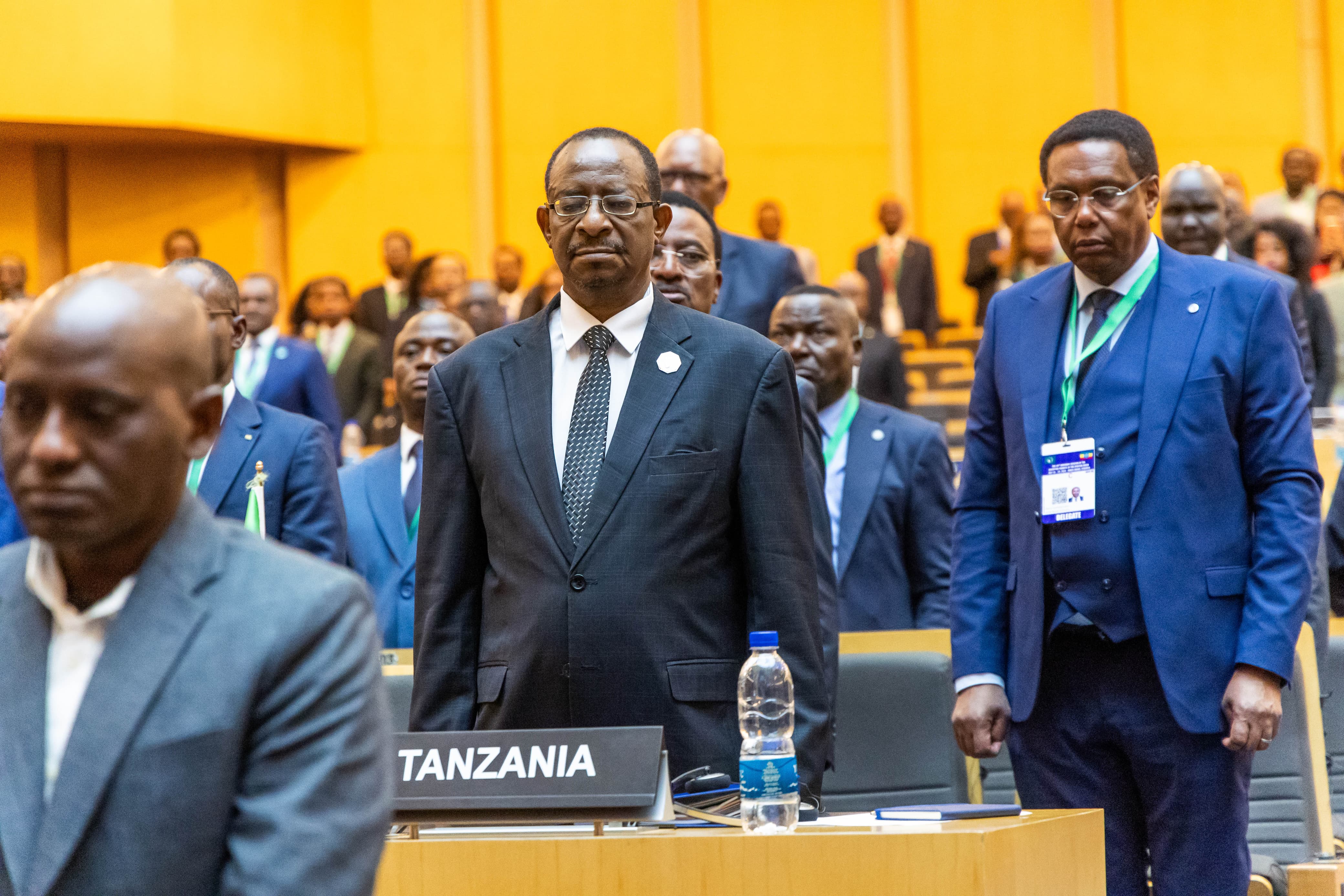
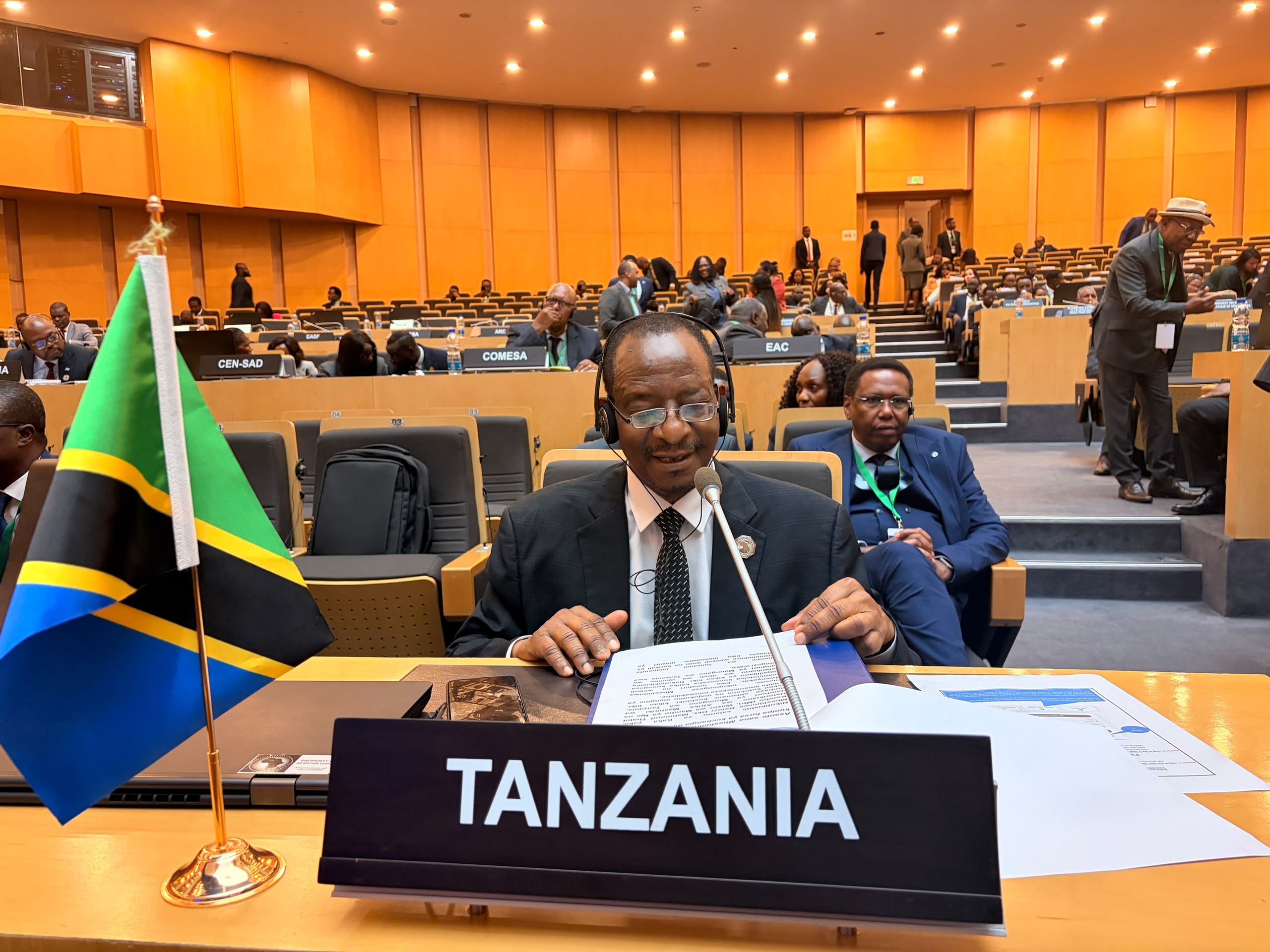
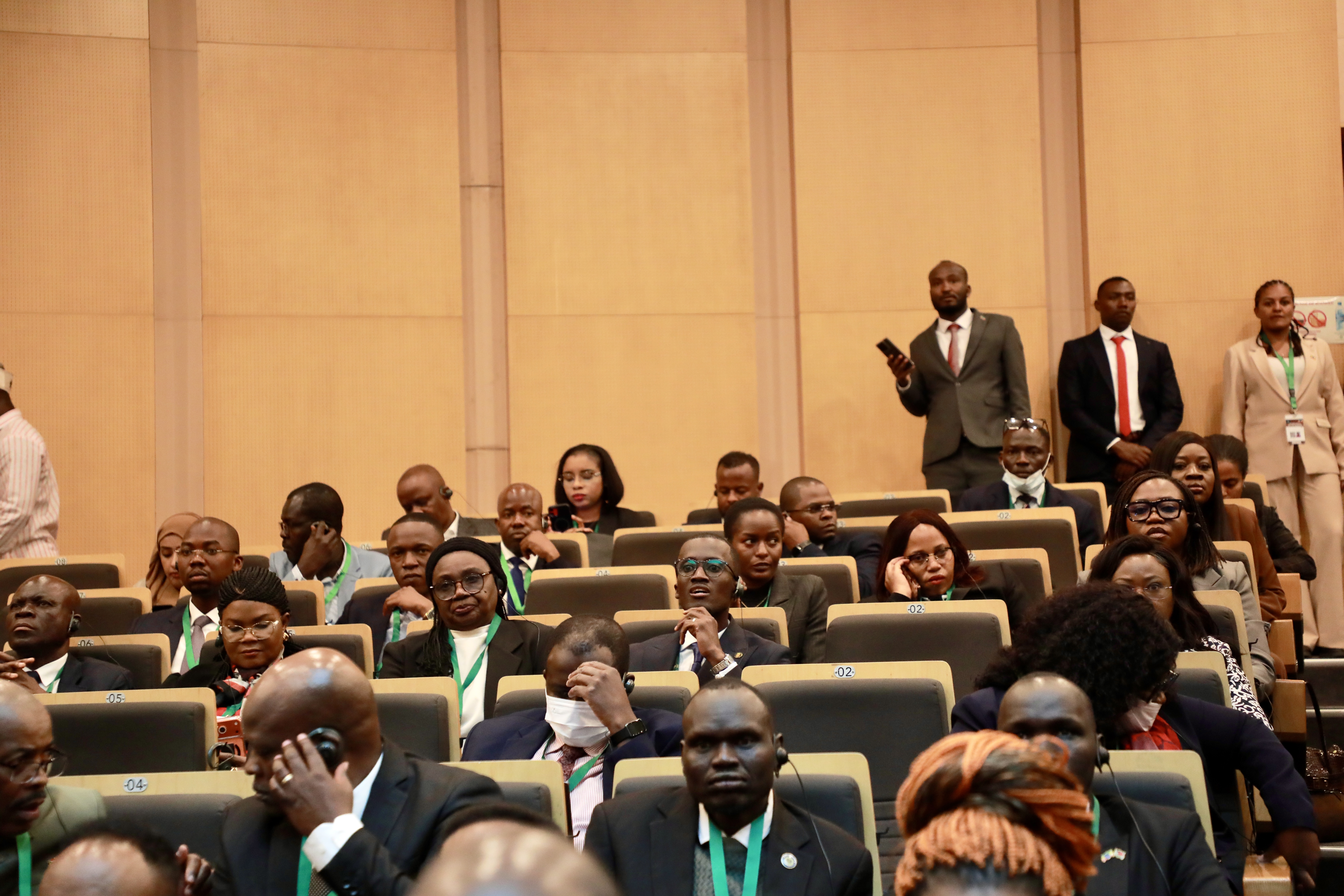
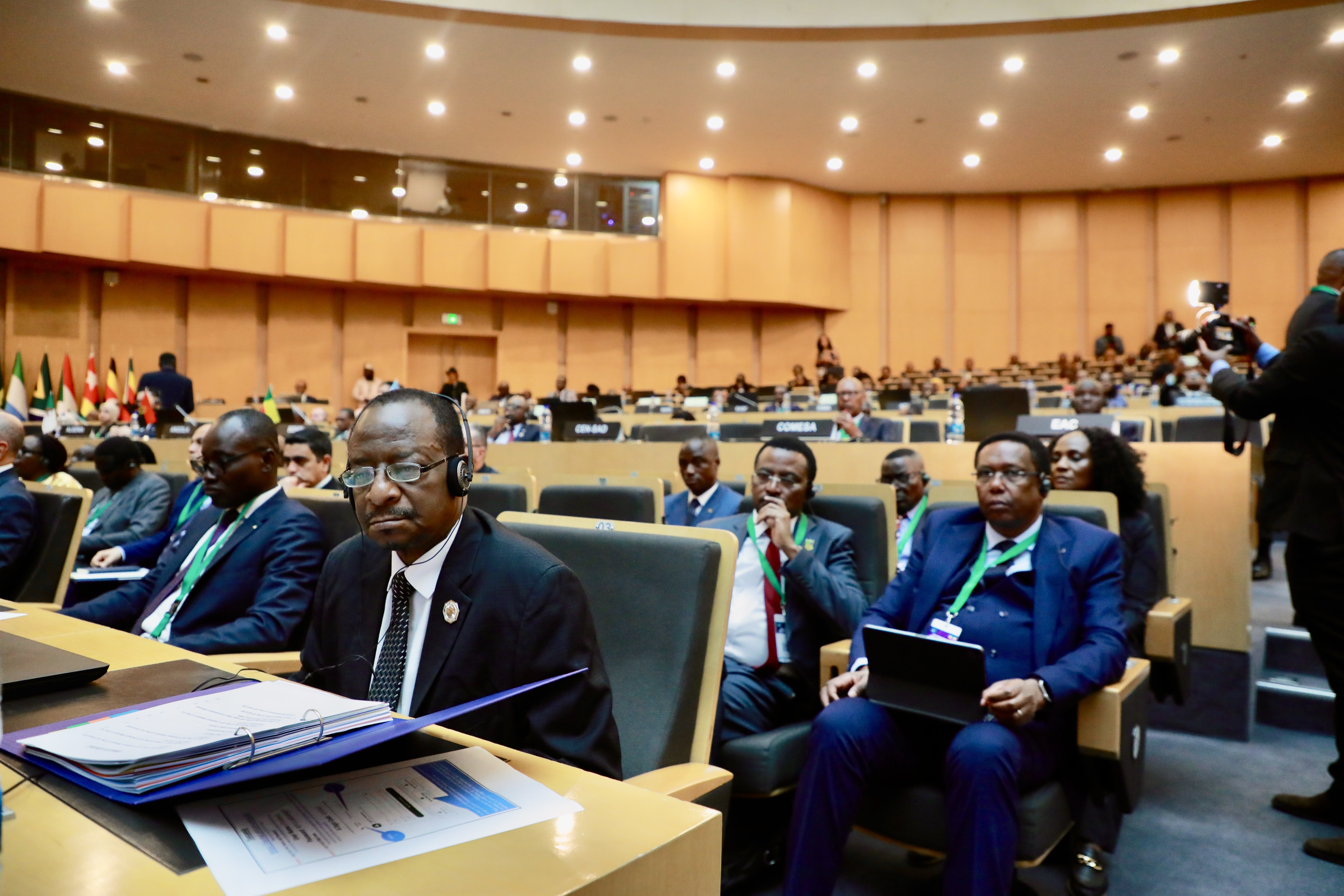
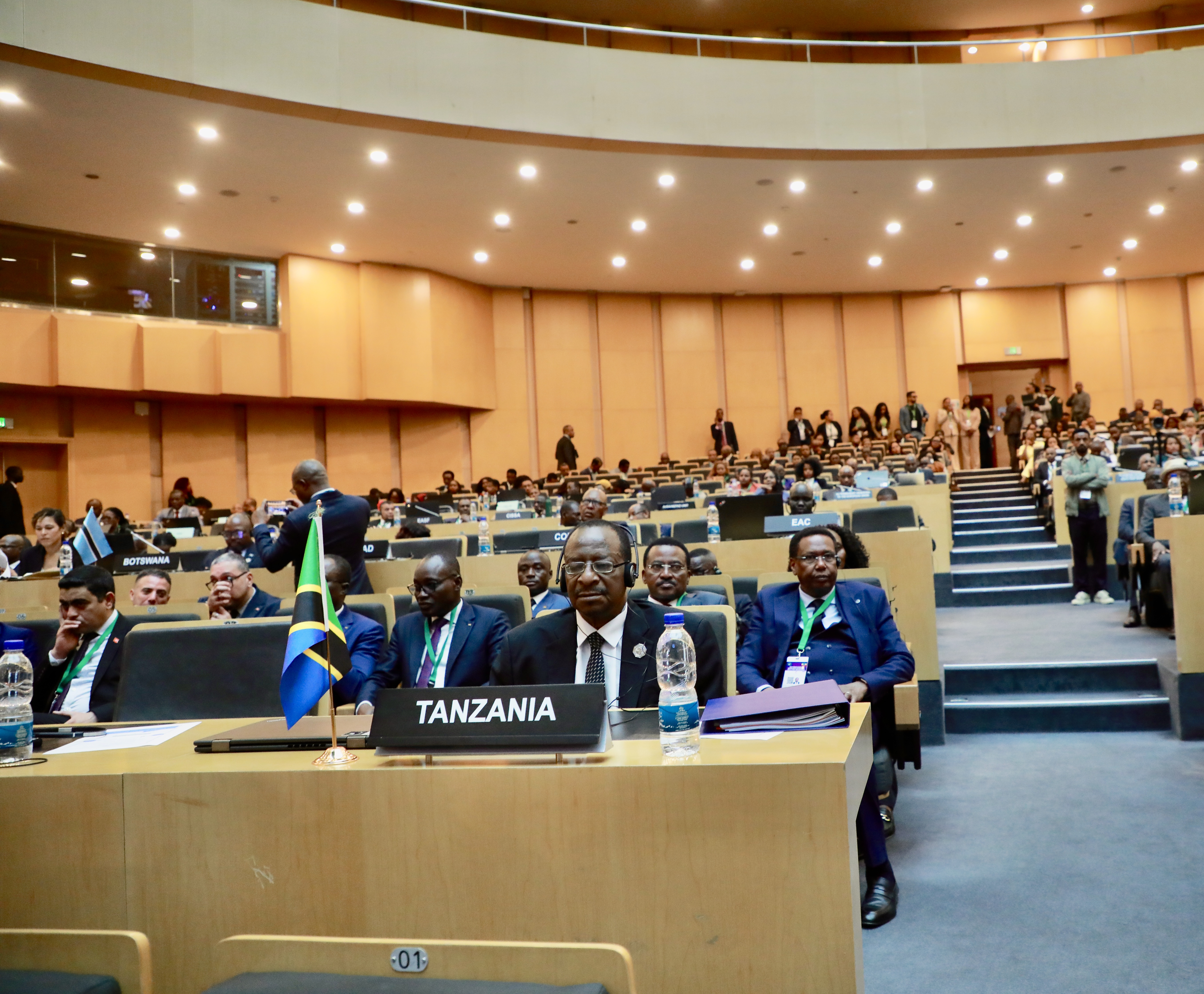
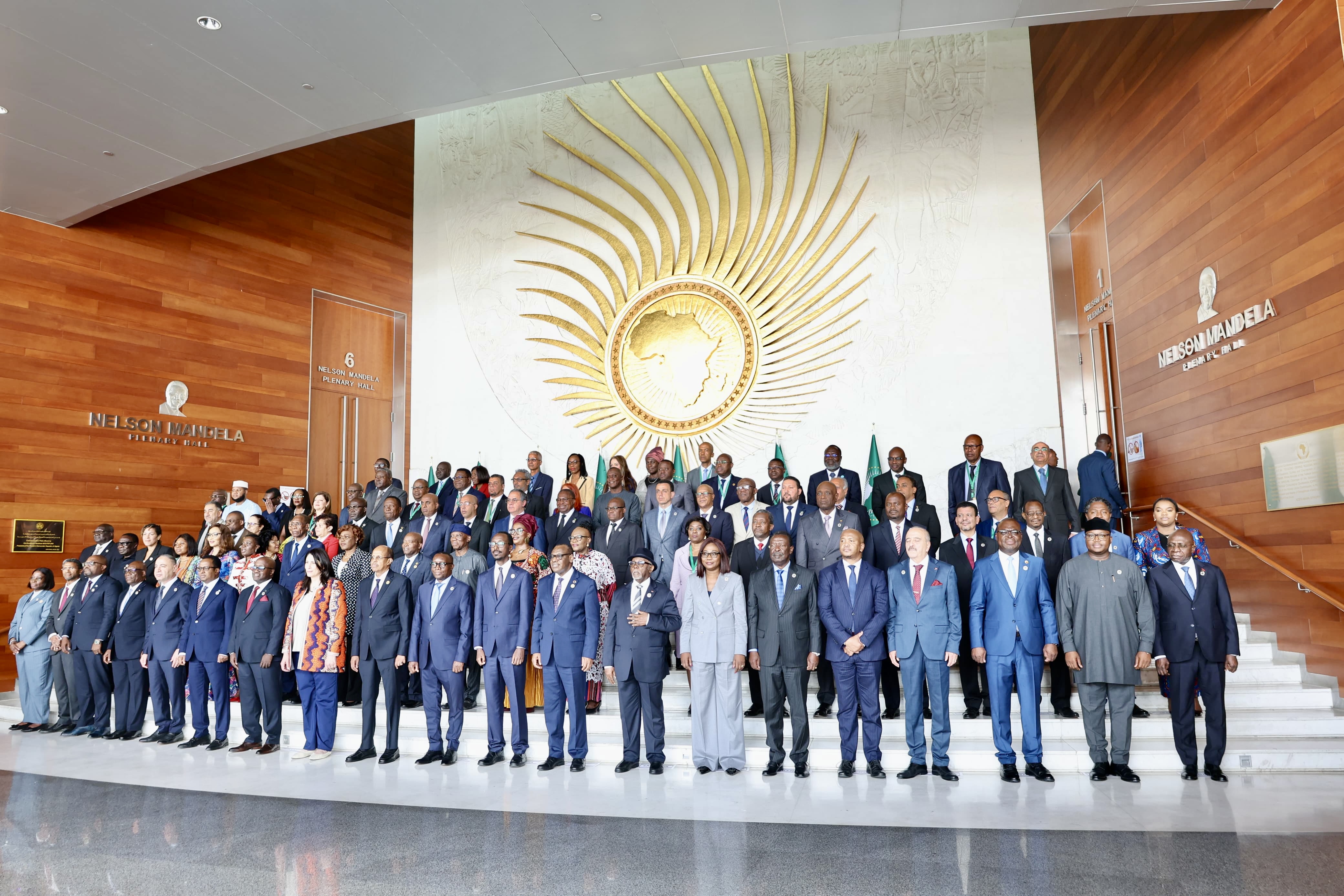
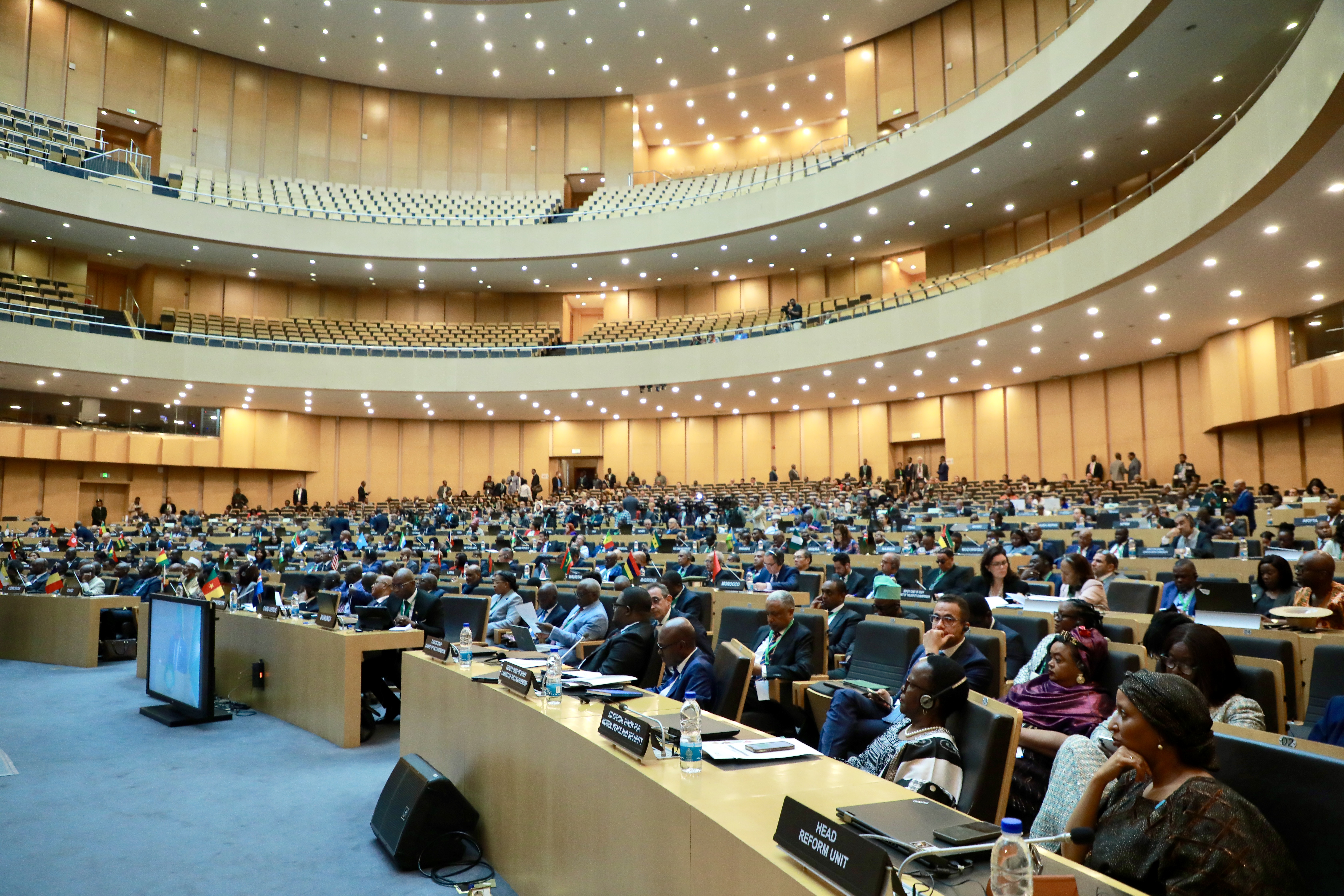
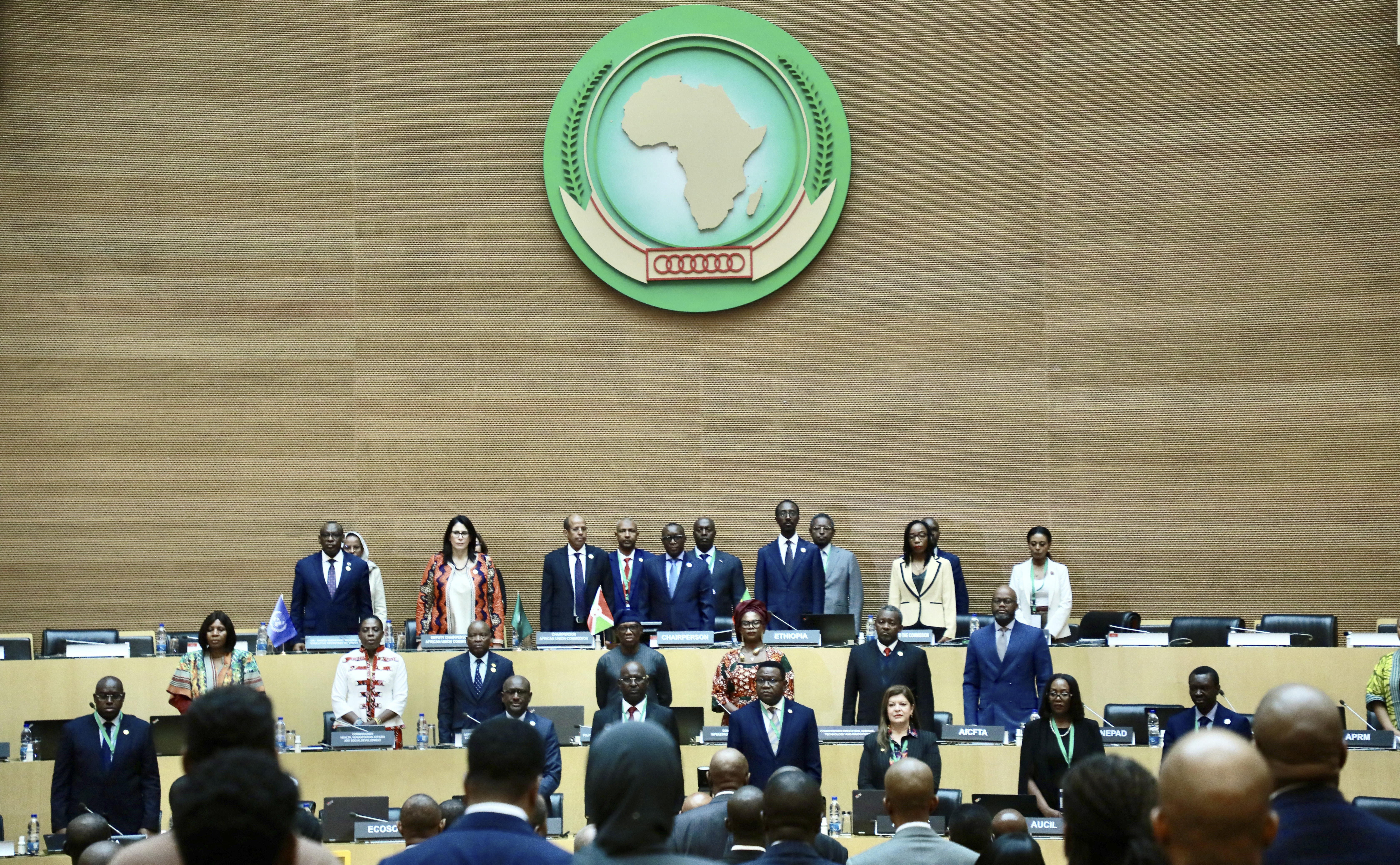
The United Republic of Tanzania participated in the 49th Ordinary Session of the African Union (AU) Executive Council, held in Addis Ababa, Ethiopia, from 28–29 July 2026. The Tanzanian delegation was led by H.E. Ambassador Said Shaib Mussa, Deputy Permanent Secretary in the Ministry of Foreign Affairs and East African Cooperation, representing Hon. Ambassador Dr. Mahmoud Thabit Kombo (MP), Minister for Foreign Affairs and East African Cooperation.
The meeting deliberated on a range of policy, administrative and financial matters relating to the implementation of the African Union’s programs and activities. It also considered preparations for the 8th AU Coordination Meeting, which brings together the AU Bureau of the Assembly, Regional Economic Communities (RECs) and Regional Mechanisms (RMs).
Tanzania Advocates for Sound Financial Management
Contributing to the deliberations, Ambassador Mussa expressed Tanzania’s support for the adoption of the African Union Budget for 2027. He emphasized the importance of sound public financial management, accountability and results-based budgeting to ensure that the Union’s resources are utilized efficiently and deliver tangible benefits to the people of Africa.
Tanzania further called for sustainable spending to be prioritized as a strategy for reducing dependence on external partners. It stressed that employment, institutional expansion and programs implementation should remain aligned with the AU’s financial capacity, strategic priorities and the ongoing institutional reform process.
Strengthening Health Security through Africa CDC
Tanzania also commended the Africa Centers for Disease Control and Prevention (Africa CDC) for the significant progress made in strengthening health security across the continent. This includes enhancing systems for disease prevention, preparedness and response, as well as the use of digital technologies in health information management.
Strengthening Accountability and Audit Systems
On the Audit Report, Tanzania welcomed measures being undertaken by the African Union Commission to strengthen internal audit systems. Tanzania underscored the importance of fully implementing audit recommendations, strengthening financial management, procurement and reporting systems, and ensuring that violations of AU rules and procedures are addressed promptly through appropriate accountability measures.
Tanzania noted that these measures are essential to safeguarding the integrity, transparency and effectiveness of African Union institutions.
Supporting Institutional Reforms
On institutional reforms, Tanzania emphasized the need for continued implementation of reforms aimed at improving the efficiency of AU institutions, eliminating duplication of roles and ensuring the optimal use of available resources.
Tanzania further stressed that all reform proposals should be accompanied by comprehensive assessments of their financial implications. Such assessments would enable Member States to make informed and sustainable decisions and ensure that the objectives of institutional reforms remain consistent with the AU’s actual financial capacity.
nzania called on Member States to increase domestic investment in the health sector, strengthen local production of medicines and medical supplies, and incorporate health priorities into national budgets. These measures, Tanzania emphasized, are critical to strengthening Africa’s capacity to become more self-reliant in addressing public health challenges.
Tanzania reaffirmed its commitment to continued cooperation with and support for Africa CDC efforts to enhance the continent’s capacity to prevent, prepare for and respond to disease outbreaks.
Tanzania’s participation further demonstrated its continued commitment to advancing the implementation of Agenda 2063, the continent’s strategic framework for inclusive and sustainable development. Through its engagement in AU processes, Tanzania continues to contribute to efforts towards building a self-reliant, resilient and prosperous Africa capable of shaping its own future.
Supporting Institutional Reforms
On institutional reforms, Tanzania emphasized the need for continued implementation of reforms aimed at improving the efficiency of AU institutions, eliminating duplication of roles and ensuring the optimal use of available resources.
Tanzania further stressed that all reform proposals should be accompanied by comprehensive assessments of their financial implications. Such assessments would enable Member States to make informed and sustainable decisions and ensure that the objectives of institutional reforms remain consistent with the AU’s actual financial capacity.
zania called on Member States to increase domestic investment in the health sector, strengthen local production of medicines and medical supplies, and incorporate health priorities into national budgets. These measures, Tanzania emphasized, are critical to strengthening Africa’s capacity to become more self-reliant in addressing public health challenges.
Tanzania reaffirmed its commitment to continued cooperation with and support for Africa CDC efforts to enhance the continent’s capacity to prevent, prepare for and respond to disease outbreaks.
Tanzania Reaffirms Commitment to Africa’s Integration Agenda
Through its active participation in the 49th Ordinary Session of the AU Executive Council, Tanzania reaffirmed its commitment to building a stronger, more united and cohesive African Union that genuinely reflects the aspirations of the people of Africa, particularly at a time of significant shifts in the global geopolitical landscape.
Tanzania’s participation further demonstrated its continued commitment to advancing the implementation of Agenda 2063, the continent’s strategic framework for inclusive and sustainable development. Through its engagement in AU processes, Tanzania continues to contribute to efforts towards building a self-reliant, resilient and prosperous Africa capable of shaping its own future.